How Much Does It Cost to Hire Piano Movers?

Visit Website

Pianos are extremely heavy and delicate, and require specialized equipment to transport safely. Professional movers charge hourly or a flat rate to cover labor and equipment costs.

Other factors influencing the cost include the type of piano, distance of the move and access challenges. For example, stairs can significantly increase the moving cost. Visit Website for more details.

Insurance

Professional piano movers offer peace of mind, knowing that their services include liability coverage to protect you and your property. In contrast, a DIY move without the right equipment and helpers can cost hundreds or even thousands of dollars in damage to floors, walls, and the piano itself. Replacing or repairing scratches or dents can run $200-$1,000, while replacing or repairing a damaged piano can add another $500-$5,000 or more.

Local piano moving companies generally charge an hourly rate for their services, with rates varying by area and type of move. For example, a small upright in an accessible apartment is cheaper to transport than a concert grand that requires a crane to lower from a fourth-story balcony. If your move is expected to be more challenging than average, the movers will usually provide you with an estimate before beginning work. Unexpected issues, such as difficult entry points or the need for special equipment like a crane, will significantly increase your final cost.

Experience and specialization: Look for movers who specialize in piano moves, as they’ll be better equipped to handle the unique dimensions and weight of this large and fragile instrument. They may also have access to specialized tools and equipment that general movers won’t have.

Pricing structure: Ask the movers how they price their services, including whether they use hourly or flat rates and what’s included in each rate. For example, flat rates may include the use of moving equipment (like dollies and moving blankets), site preparation at both pickup and delivery locations, and temporary storage. On the other hand, a company that charges hourly may include the cost of each mover in their quote and charge for additional workers or equipment as needed.

Tipping is a customary way to show appreciation for a job well done, and many people will tip movers $20 to $40 per piano or 5 to 10% of the total piano moving cost. Be sure to speak with the movers before deciding how much to tip, as this can be a delicate conversation for both parties.

Labor

A piano is a valuable investment, whether it’s an instrument you play professionally or simply a beloved family heirloom. The piano’s emotional and monetary value makes it worth protecting during a move. Hiring movers that specialize in piano relocation ensures the instrument is transported safely and efficiently. Piano movers typically cost more than general movers, but they provide the peace of mind that comes with knowing your investment is being properly taken care of.

Piano moving rates vary by type and distance, as well as unforeseen variables. An hourly rate for local piano movers can cost anywhere from $40 to $80, depending on the company and the area’s costs. These rates include the movers’ wages and any necessary equipment like dollies, blankets, piano straps, and piano boards. The rates can also differ based on whether the company charges per individual or a team, as well as whether special equipment like a piano crate is required.

For long-distance moves, many piano movers charge a flat-rate fee that can range from $200 to $2,000. This rate depends on the size and weight of the piano, as well as its destination. If the piano is going up or down stairs, a staircase fee may be added to the flat-rate amount. For instance, the stair fee for a baby grand piano can be as high as $60 per flight of stairs.

Another significant factor that influences the price of a piano move is if the piano needs to be dismantled for transport. This adds an additional $100 to $1,200 to the overall piano moving cost.

After the piano has been moved to its new location, it will require ongoing maintenance and care to stay in peak playing condition. Regular tuning and general inspections will be needed, which can cost anywhere from $100 to $200. In addition, humidity control is important for wooden pianos and can cost up to $300. By choosing a piano mover that offers clear quotations and transparent pricing, you can rest assured knowing your instrument is being cared for at an affordable rate.

Equipment

Piano movers use specialized equipment that helps protect the instrument and ensures it reaches its destination safely. These tools can include a wide variety of dollies, straps, and other supplies that aren’t available at your local hardware store. Some movers offer a flat rate for a standard move, while others charge per hour or by the truckload. If your movers need to rent equipment, that will add to the cost. If you’re moving long-distance, it might be cheaper to hire a larger crew and share a truck space instead.

Labor is a major factor in any moving expense, and pianos are no exception. Because of their size, weight, and fragility, these instruments require specialized skills and a team of 4-6 strong helpers to move. Trying to do it yourself could result in serious injuries like hernias and back strains. And if the piano gets damaged, it could cost thousands in repairs or replacements.

When a company quotes a price, it takes into account the number of movers, hours, and other factors. However, many people are surprised by the extras that pop up on the final bill. Whether you need extra items moved along with the piano, storage in a climate-controlled location, or same-day or emergency services, each will raise your total.

For example, moving an upright piano up and down stairs requires a special stair climbing dollie or other specialized gear. That’s usually an additional $40-$100 per staircase, and can add up quickly for large homes with multiple flights of stairs. Similarly, a climate-controlled truck adds $50-$75 per month to the cost of transporting and storing the instrument.

When shopping for piano movers, look for transparent pricing with clear itemization of charges. Companies that aren’t transparent about their pricing often hide costs behind extra fees and shady practices. Also, be sure to choose a reputable firm that has proper certifications and liability coverage. Ask to see their USDOT number for interstate moves and confirm worker’s compensation, general liability, and cargo insurance. And always check a company’s equipment inventory. A reputable piano mover will own specialized equipment like piano dollies, heavy-duty hump straps, and padded skid boards designed for the unique needs of this type of shipment.

Tips

Moving a piano requires special equipment, training, and experience. Hiring professional movers will cost more than taking the do-it-yourself route, but the risks of damage and injury are higher. A professional mover will also take care of other details like piano tuning and storage, eco-friendly disposal, and coordination with a charity when donating your instrument.

Piano movers typically charge hourly rates that can range from $40-$80 per mover depending on location. They will include the costs of equipment and supplies in their estimate, such as four-wheel dollies, hump straps, skid boards, and climate-controlled trucks. If the movers have to travel long distances, they will add mileage charges. Additional unforeseen expenses like stair fees, crane lifts, or window removals will add to the total cost.

When hiring a piano mover, make sure they provide you with a detailed quote that lists all potential expenses. This transparency will prevent surprises and help you budget properly. You should also ask for references and check the movers’ USDOT and MC numbers. Ensure the movers have a license to transport household goods and are fully insured.

A reputable mover will be able to provide you with proof of insurance and liability coverage. Ask about the types of coverage provided and whether they offer upgraded coverage for antique or valuable instruments. It is also a good idea to ask about any hidden or extra fees, such as a delivery charge or a fee for a large grand piano.

It’s always a good idea to tip the movers. While a tip isn’t mandatory, it will show your appreciation for their hard work and professionalism. A few dollars goes a long way, especially if the move is difficult or if there are multiple movers working together.

Choosing a reputable, licensed moving company with specialized expertise is the best way to minimize moving costs. Look for a company that offers clear quotations, transparent policies, and references from past clients. Then, you can rest assured that your valuable piano is in good hands.

Local vs. Long-Distance Movers: What’s the Real Difference?

movers

Moving is a major life event, exciting, stressful, and full of important decisions. One of the biggest choices you’ll make is deciding whether to hire local Ox Movers Spring TX  or long-distance movers. While both provide essential relocation services, they operate very differently. Understanding these differences can help you choose the right kind of service for your move, budget, and timeline.

This guide breaks down everything you need to know about local vs. long-distance movers, including what they do, how they charge, what to expect, and how to pick the right type for your needs.

What Are Local Movers?

Local movers specialize in short-distance relocations, typically within the same city or region. The exact distance limit varies by company, but it is generally under 50 to 100 miles.

Local movers focus on efficiency and speed, helping residents move from one home to another without dealing with complicated logistics. They are ideal for:

  • Apartment moves
  • House-to-house relocations within the same area
  • Short-distance office relocations
  • Same-day moving needs

Because they operate locally, these movers have a strong understanding of the area, roads, traffic patterns, and building requirements, which can make your moving experience smoother.

What Are Long-Distance Movers?

Long-distance movers, sometimes called interstate movers, handle moves that go beyond the local range, typically over 100 miles or across state borders.

These movers specialize in transporting belongings safely over extended distances. The jobs they handle are more complex and may involve:

  • Interstate travel
  • Multi-day transportation
  • Additional regulations
  • Large trucks or tractor-trailers
  • More extensive inventory and packing processes

Long-distance movers are ideal for:

  • Relocating to a new region
  • Cross-country moves
  • Moving for a job
  • Relocating families with large households
  • Transporting high-value items long distances

Key Differences Between Local and Long-Distance Movers

Although their main purpose is the same, helping you move, they differ in many critical ways. Here’s a detailed breakdown.

1. Distance and Scope of Service

The most obvious difference is the distance covered.

Local Movers

  • Usually operate within 50–100 miles
  • Complete moves in a single day
  • Faster scheduling and flexibility
  • Smaller trucks that are easier to navigate in urban areas

Long-Distance Movers

  • Handle moves over 100 miles or between states
  • Moves may take several days
  • Require detailed planning and coordination
  • Use large trucks designed for long hauling

Because of this, long-distance movers often have more complex routes and schedules, while local movers focus on quick turnarounds.

2. Pricing Structure

The way movers calculate costs is one of the biggest differences between the two services.

Local Movers Charge by the Hour

Local moving rates are typically based on:

  • Number of movers
  • Number of hours worked
  • Size of the truck
  • Additional services (packing, supplies, specialty items)

This makes local moves predictable if everything is packed and ready to go.

Long-Distance Movers Charge by Weight and Distance

Long-distance moves usually cost more because pricing factors include:

  • Total shipment weight
  • Mileage between locations
  • Fuel and travel costs
  • Additional insurance and handling
  • Extra services like packing, storage, or special equipment

Some movers also offer binding estimates, which lock in the price based on inventory.

3. Regulations and Licensing

Local Movers

Local movers typically operate under state-level regulations. They may need:

  • State-issued licenses
  • Local permits
  • Liability coverage

The rules vary from region to region, but they are generally less complicated than federal requirements.

Long-Distance Movers

Long-distance and interstate movers are regulated by federal transportation laws. They must:

  • Have a USDOT number (U.S. Department of Transportation)
  • Meet federal safety standards
  • Carry specific insurance
  • Follow documentation and transport rules

Because cross-country moves involve more risk and distance, these movers must maintain strict compliance.

4. Insurance Options

Insurance coverage differs significantly between local and long-distance movers.

Local Movers

  • Usually offer basic coverage based on hourly service
  • May provide valuation at an additional fee
  • Typically cover only a portion of the item’s value

Long-Distance Movers

  • Provide federally mandated valuation options
  • Offer Released Value Protection (basic) and Full Value Protection (comprehensive)
  • Often allow additional third-party insurance

Since long-distance moves involve more risk, it’s important to evaluate your insurance needs carefully.

5. Inventory and Planning

Local Movers

  • Simple inventory process
  • Quick loading and unloading
  • Less risk due to shorter travel distances

Long-Distance Movers

  • Comprehensive inventory required
  • Items tagged and recorded
  • Shipment sealed and weighed
  • Detailed planning and coordination
  • Delivery windows rather than exact times

This level of detail ensures accountability throughout the longer moving process.

6. Packing and Handling

Both types of movers often offer packing services, but the level of detail can differ.

Local Moves

  • Packing may be optional
  • Items experience minimal movement and impact
  • Shorter trips mean less risk of damage

Long-Distance Moves

  • Professional packing is highly recommended
  • Long distances mean more vibration and shifting
  • Movers may use reinforced materials and specialized techniques

If you have fragile or valuable items, long-distance movers handle them with added protection.

7. Logistics and Transportation

Long-distance movers often operate like logistics companies due to the nature of their work.

Local Movers

  • Simple routes and transport
  • Direct point-to-point service
  • Rarely encounter complex scheduling issues

Long-Distance Movers

  • Route planning
  • Multi-day scheduling
  • Weight station compliance
  • Weather and road condition considerations
  • Possible shared truck space with other customers

Because trucks may cross multiple regions, the logistics of long-distance moving are far more intricate.

8. Delivery Timelines

Local Movers

  • Same-day pickup and delivery
  • Short, predictable timelines

Long-Distance Movers

  • Deliveries may take days or weeks
  • Delivery windows rather than specific times
  • Occasional delays due to weather, traffic, or inspections

Customers must plan accordingly, especially when moving into a new home long distance.

Which Type of Mover Should You Choose?

Choosing between local and long-distance movers depends entirely on your situation. Here’s how to decide.

Choose Local Movers If:

  • Your move is under 100 miles
  • You need a quick, efficient relocation
  • You’re staying within the same region
  • You want a budget-friendly option
  • You don’t need extensive packing or inventory services

Local movers are ideal for short, straightforward moves that don’t require complicated logistics.

Choose Long-Distance Movers If:

  • You’re moving across the country or more than 100 miles
  • You want full-service packing and shipping
  • You need help transporting large or fragile items
  • You want professionals who follow federal regulations
  • You’re willing to pay more for safe long-distance handling

Long-distance movers are equipped for large, complex, or multi-day relocations.

Tips for Choosing the Right Mover

Regardless of whether your move is local or long distance, here are essential tips for choosing the best moving company:

✔ Get Multiple Estimates

Request at least three quotes and compare pricing structures.

✔ Read Reviews

Look for consistent feedback about reliability, efficiency, and professionalism.

✔ Know What’s Included

Ask about packing, fuel fees, equipment, insurance options, and any hidden fees.

✔ Check Licensing

Make sure the company is properly licensed based on the type of move.

For long-distance moves, verify federal registration.

✔ Understand the Contract

Always read the agreement carefully, especially for binding and non-binding estimates.

✔ Ask About Extra Services

You may need:

  • Packing
  • Storage
  • Disassembly/reassembly
  • Specialty item handling

Choose a mover that covers everything you need.

Final Thoughts

Local and long-distance movers share the same purpose—to help you move your belongings safely—but the way they operate is very different. Local movers excel at quick, efficient relocations within a short distance, while long-distance movers specialize in navigating the complexities of transporting goods over hundreds or thousands of miles.

Understanding these differences will help you make an informed decision, avoid surprises, and ensure your move is smooth from beginning to end. Whether you’re moving across town or across the country, choosing the right type of mover is essential for a stress-free relocation.

Smooth Moves With Professional Movers

Moving is one of life’s biggest transitions. Whether you’re relocating to a new home, downsizing, or transferring an office, the process of packing, transporting, and unpacking can be overwhelming. That’s why movers play such a vital role. They bring expertise, efficiency, and peace of mind to an otherwise stressful task. Understanding how movers work and how to choose the right service can make your next move smoother and more successful.

movers

The Value of Hiring Movers

While it may seem more economical to move everything yourself, hiring professional movers can actually save time, effort, and even money in the long run. They are trained to handle heavy, fragile, or awkwardly shaped items safely and efficiently. With the right equipment and experience, movers reduce the risk of injury and damage to your belongings.

Beyond lifting boxes, movers often provide services such as packing, furniture disassembly, and even temporary storage. This full-service approach frees you up to focus on the personal aspects of relocating, like setting up utilities or helping family members adjust.

Types of Moving Services

Movers come in many forms to meet different needs:

  • Local movers specialize in short-distance moves within the same city or region.
  • Long-distance movers handle moves across states or even countries, with more complex logistics.
  • Specialty movers focus on delicate or oversized items such as pianos, antiques, or artwork.
  • Commercial movers relocate offices or businesses, coordinating to minimize downtime.

Identifying which type of mover fits your situation helps ensure a smoother process.

Planning for a Smooth Move

Successful moves begin with planning. Booking movers early gives you more choices and better scheduling flexibility, especially during peak seasons. Creating an inventory of your belongings also helps movers estimate time, labor, and costs accurately.

It’s wise to discuss details upfront—such as staircases, elevators, or narrow hallways—so the movers can plan accordingly. Transparency prevents surprises on moving day and allows them to bring the right equipment.

Packing Like a Pro

Packing is often the most time-consuming part of moving. Professional movers can supply sturdy boxes, padding, and wrapping materials designed to protect items during transit. They also have proven techniques for packing efficiently, using space wisely while minimizing the risk of damage.

If you choose to pack yourself, label each box clearly with its contents and destination room. This makes unloading easier and speeds up the unpacking process in your new space. Movers appreciate organized boxes because they streamline their work and keep everything on schedule.

Handling Heavy and Fragile Items

One of the biggest advantages of hiring movers is their ability to handle bulky, heavy, or fragile items safely. They use dollies, straps, and specialized equipment to lift and secure furniture, appliances, and boxes. Proper techniques prevent injuries and reduce the chance of property damage.

Fragile items like glassware, electronics, or artwork are carefully wrapped and cushioned. Professional movers know how to load trucks strategically, balancing weight and preventing shifting during transit.

Transportation and Logistics

Movers don’t just carry boxes—they manage logistics. They plan routes, navigate traffic, and ensure that trucks are the right size for your load. For long-distance moves, they may coordinate multiple vehicles or storage stops along the way.

Insurance coverage is another key benefit. Many movers offer options to protect your belongings financially in the rare event of damage or loss. This added security helps reduce stress during a move.

Efficiency on Moving Day

On moving day, the difference between a professional crew and a DIY effort becomes clear. Movers work as a coordinated team, loading items systematically and efficiently. They know how to stack and secure items in the truck to maximize space and stability.

Their speed and organization can cut hours off the process. This is especially valuable if you’re on a tight schedule, moving in extreme weather, or juggling other responsibilities.

Unpacking and Setting Up

Some moving services extend beyond transportation. They may offer unpacking, furniture assembly, and disposal of packing materials. Having professionals handle these final steps can help you settle into your new space faster and with less chaos.

Even if you handle the unpacking yourself, movers can place boxes and furniture in designated rooms, making it easier to find essentials right away.

Cost Considerations

Several factors affect the cost of hiring movers:

  • Distance and travel time
  • Volume and weight of belongings
  • Number of movers needed
  • Packing and unpacking services
  • Special handling for large or fragile items

Obtaining written estimates from multiple movers helps you compare prices and services. Remember that the cheapest option isn’t always the best—experience, reliability, and insurance matter too.

Preparing Your Home for Movers

You can help movers work efficiently by preparing your home in advance:

  • Clear pathways inside and outside to prevent tripping hazards.
  • Reserve elevators or parking spots if needed.
  • Disconnect and empty appliances before moving.
  • Keep pets and children safely out of the way.

These small steps make moving day smoother for everyone.

Why Professional Movers Are Worth It

Relocating is about more than just moving things from one place to another—it’s a major life change. Professional movers bring order to the chaos, handling the heavy lifting and logistics so you can focus on the emotional and practical aspects of your move.

Their expertise, equipment, and efficiency reduce stress, protect your belongings, and help you transition into your new space with confidence.

Moving Toward a New Chapter

Hiring movers is an investment in peace of mind. With their help, the daunting task of relocating becomes manageable and even positive. By planning, communicating openly, and choosing the right service for your needs, you set yourself up for a seamless move.

Whether you’re relocating across town or across the country, professional movers can make the process faster, safer, and far less stressful. They don’t just move boxes—they help you take the next step in your journey, turning a potentially chaotic day into a well-coordinated fresh start.

HVAC Systems for Commercial Buildings

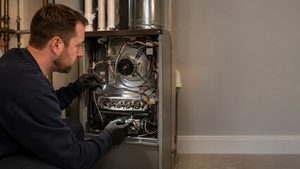
Heating, ventilation, and air conditioning systems play a critical role in the functionality, comfort, and efficiency of commercial buildings. Unlike residential setups, commercial HVAC systems are designed to support larger spaces, higher occupancy levels, and more complex operational demands. Offices, retail centers, warehouses, healthcare facilities, and educational institutions all rely on properly designed HVAC systems to maintain indoor air quality, regulate temperature, and support daily business operations. A well-planned HVAC solution is not just a comfort feature—it is a core infrastructure investment that affects productivity, energy consumption, and long-term operating costs. Discover further details at https://www.taphvac.com/.

HVAC

Commercial HVAC systems are designed to accommodate diverse environmental conditions within a single building. Different zones may require varying temperatures, airflow levels, or humidity controls depending on how the space is used. For example, conference rooms, open offices, storage areas, and equipment rooms all generate and retain heat in different ways. An effective HVAC system accounts for these variables while ensuring consistent performance and reliability. This adaptability makes commercial HVAC design far more intricate than residential installations and highlights the importance of system planning and integration.

At the heart of any commercial HVAC system is its ability to provide thermal comfort while supporting healthy indoor air quality. Poor ventilation can lead to stale air, increased airborne contaminants, and uncomfortable humidity levels. Over time, these issues may contribute to employee discomfort, reduced productivity, and even health concerns. Modern HVAC systems are designed to circulate fresh air efficiently, filter pollutants, and maintain balanced humidity levels, creating a healthier indoor environment for occupants and visitors alike.

There are several common types of HVAC systems used in commercial buildings, each suited to specific structural and operational needs. The choice often depends on building size, layout, energy goals, and usage patterns. Some systems are centralized, serving the entire building from one primary unit, while others are decentralized and provide localized control. Understanding these system types helps building owners and managers make informed decisions that align with both short-term functionality and long-term efficiency.

One widely used option in commercial settings is the split HVAC system. These systems separate the heating and cooling components into indoor and outdoor units, making them suitable for buildings that require straightforward climate control without extensive ductwork modifications. Split systems are often favored for smaller commercial spaces or buildings with limited mechanical room capacity. Their flexibility allows for phased installations and easier upgrades as building needs evolve.

Another popular solution is the packaged HVAC system, where all major components are housed in a single unit. These systems are commonly installed on rooftops or designated outdoor areas, freeing up valuable indoor space. Packaged systems are particularly effective for medium-sized commercial buildings and retail environments, offering reliable performance with simplified maintenance access. Their compact design also makes them easier to integrate into existing structures without major renovations.

For larger commercial facilities, variable air volume (VAV) systems are often the preferred choice. These systems regulate airflow to different zones based on real-time demand, adjusting temperature without constantly changing air output. By varying the volume of air delivered to each space, VAV systems enhance comfort while significantly improving energy efficiency. This zoned approach is especially beneficial in buildings with fluctuating occupancy levels throughout the day.

Energy efficiency has become a major priority in commercial HVAC system design. Rising energy costs and sustainability goals have pushed businesses to seek solutions that reduce consumption without compromising comfort. High-efficiency HVAC systems use advanced components such as variable-speed motors, smart thermostats, and energy recovery ventilation to optimize performance. These technologies allow systems to adapt dynamically to changing conditions, minimizing wasted energy during low-demand periods.

A well-designed commercial HVAC system offers several measurable benefits, including:

  1. Reduced energy consumption through efficient airflow management and modern control systems.
  2. Improved indoor air quality by filtering pollutants and maintaining proper ventilation rates.

These advantages translate directly into cost savings and enhanced occupant satisfaction, making energy-efficient HVAC systems a strategic investment rather than an optional upgrade.

Proper system sizing is another critical factor in commercial HVAC performance. An undersized system may struggle to maintain consistent temperatures, leading to excessive wear and higher energy usage. Conversely, an oversized system can cycle on and off too frequently, reducing efficiency and shortening equipment lifespan. Accurate load calculations, which consider building size, insulation, occupancy, and equipment heat output, are essential to achieving balanced and reliable performance.

Installation quality plays a significant role in the long-term success of any HVAC system. Even the most advanced equipment can underperform if installed incorrectly. Ductwork design, refrigerant charging, airflow calibration, and control system configuration all require precision and expertise. Professional installation ensures that the system operates as intended, delivering optimal comfort and efficiency from day one.

Maintenance is equally important for commercial HVAC systems, as these systems often operate continuously under demanding conditions. Regular inspections and servicing help identify minor issues before they escalate into costly repairs or system failures. Routine maintenance typically includes filter replacement, coil cleaning, airflow testing, and control system checks. Consistent upkeep not only extends equipment lifespan but also maintains energy efficiency and indoor air quality.

Commercial HVAC systems must also comply with safety and performance standards designed to protect occupants and property. These standards address factors such as ventilation rates, refrigerant handling, and system efficiency. Compliance ensures that HVAC systems operate safely while meeting environmental and operational requirements. Staying aligned with these standards can also help building owners avoid penalties and improve overall system reliability.

Modern commercial buildings increasingly rely on smart HVAC technologies to enhance control and monitoring capabilities. Building automation systems allow facility managers to oversee HVAC performance from a centralized platform, adjusting settings remotely and tracking energy usage in real time. These systems provide valuable insights into operational trends, enabling data-driven decisions that improve efficiency and reduce downtime.

Indoor air quality has gained heightened attention in recent years, especially in high-occupancy commercial spaces. Advanced filtration systems, increased ventilation rates, and humidity control features are now integral components of modern HVAC designs. By reducing airborne contaminants and maintaining comfortable humidity levels, these systems create healthier environments that support employee well-being and customer confidence.

Another important consideration in commercial HVAC planning is scalability. As businesses grow or change operations, HVAC systems should be capable of adapting to new demands. Modular designs and flexible zoning options allow systems to expand or reconfigure without requiring a complete overhaul. This adaptability protects the initial investment and ensures long-term usability.

Noise control is often overlooked but plays a significant role in occupant comfort. Commercial HVAC systems must operate quietly, especially in offices, healthcare facilities, and educational environments. Proper equipment selection, duct insulation, and vibration control measures help minimize noise levels while maintaining efficient airflow.

Sustainability is also shaping the future of commercial HVAC systems. Energy-efficient designs, environmentally friendly refrigerants, and integration with renewable energy sources are becoming increasingly common. These advancements not only reduce environmental impact but also align with corporate sustainability goals and public expectations.

When planning or upgrading a commercial HVAC system, it is essential to consider the total cost of ownership rather than just initial installation expenses. Energy consumption, maintenance requirements, and system lifespan all contribute to long-term costs. A higher upfront investment in efficient, high-quality equipment often results in lower operating expenses and fewer disruptions over time.

In conclusion, HVAC systems for commercial buildings are complex yet essential components that directly impact comfort, efficiency, and operational success. From system selection and installation to maintenance and technological integration, every decision influences performance and longevity. By prioritizing energy efficiency, proper sizing, and professional care, commercial property owners and managers can create indoor environments that support productivity, sustainability, and long-term value. A thoughtfully designed HVAC system is more than a mechanical necessity—it is a foundation for a healthier, more efficient commercial space.