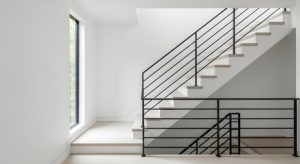
Custom Architectural Stairway Metal Railings Explained

metal railings

When choosing the right stair railing for your home, there are several factors to consider. Safety is always a top priority, while appearance should complement your personal style.

Stair handrails must be durable enough to withstand heavy use and diverse weather conditions. In addition, they must meet strict load-bearing standards and safety regulations. Contact Architecture Stairway Metal Railing for more details.

Versatility

Stairway railings need to provide strength and durability, especially in high-traffic environments. They must resist the impact of falling stairs, withstand the weight of children and pets, and endure the natural wear of everyday use. While prefabricated railings often deteriorate quickly, custom railings designed with quality materials and tailored construction can last for decades. This durability translates to reduced expenses by reducing the need for repair and replacement.

Custom metal railings can be crafted to suit a wide range of design styles and architecture. They look particularly good with modern or contemporary homes, where their geometric shapes and clean lines complement a sleek aesthetic. They also pair well with glass, warm woods, and even raw concrete to create a layered look that feels intentional rather than one-note.

Safety is a top priority when designing staircases and elevated platforms, and metal stair railings can be designed to meet specific code requirements. These regulations include railing height, spacing between balusters, and structural integrity. However, compliance doesn’t mean sacrificing creativity. In fact, custom metal handrails can blend compliance with high-end design by using slim lines to keep the view open, intricate patterns that add character without compromising spacing, and versatile finishes that match any aesthetic.

In addition to their versatility in design, metal stair railings are highly durable. They are resistant to moisture, pests, and varying temperatures, and can be used indoors or outdoors. Because they are strong and long-lasting, metal stair railings can outlast wooden railings by far, saving homeowners money over time by reducing the need for repairs or replacement.

Because a metal staircase railing can stand the test of time, it’s a smart investment for any home. It can enhance the aesthetic of a property and increase its value, making it an attractive feature for potential buyers. Plus, it’s a safe and dependable way to prevent injuries or accidents on the stairs. Whether you’re looking for a modern stainless steel design or a classic wrought iron piece, your options are limitless with custom architectural metal handrails.

Safety

Stairway railings serve a purpose that goes beyond structural safety—they are a significant design feature that defines the aesthetic character of homes and commercial spaces. As such, they must offer a balance of beauty and durability. Achieving these aims requires careful consideration of materials, finishes, and design features. Metal stair railings are an ideal choice for this purpose, as they combine strength with elegance and can be tailored to complement any architectural style.

Safety is a key consideration for staircase railings, governed by local building codes that set standards for height and baluster spacing to prevent children from entangling themselves. Additionally, accessibility standards, such as those established by the Americans with Disabilities Act, may require graspable handrails for stairs. For this reason, it’s important to consider these requirements when designing a staircase, as non-compliance can result in legal liabilities.

Achieving a balance between safety and design has never been easier with horizontal bar railings. These systems offer a clean, minimalist appearance that enhances the visual continuity of staircases and creates a sense of spaciousness in rooms. They are also compatible with a variety of architectural styles and can be customized to suit the unique tastes of homeowners.

While wood and glass railings can add warmth and complement traditional designs, they’re vulnerable to moisture, which increases the risk of damage. In contrast, steel and wrought iron are durable materials that can withstand the test of time. Plus, they are impervious to pests and are naturally resistant to fire, adding an extra level of security for families.

In addition to their durability, metal stair railings are cost efficient in the long run. Because they are resistant to corrosion, they won’t need to be repaired or replaced as often as other materials. They also have a higher resale value, making them an investment for homeowners who want to protect their property from unforeseen accidents and improve the overall appeal of their home. In the long run, they can even increase their resale value and help owners save money on maintenance costs over the lifetime of their home.

Durability

A metal railing can enhance the aesthetics of any staircase, adding value to your home. It is durable and can withstand the elements, making it a long-term investment. Many manufacturers of custom metal stair railings offer warranties on their products. This is a sign of confidence in their product and can be beneficial to customers who wish to make sure they’re investing in the best possible quality.

Stairway railings are typically made of iron, aluminum, or wrought iron. Wrought iron is very decorative and offers a classic look that complements a variety of styles. It is also highly customizable, allowing for intricate patterns and designs, as well as a number of different finishes.

On the other hand, aluminum is lightweight and easy to install. It can also be powder-coated for added durability. Its versatility makes it an ideal material for indoor and outdoor staircases. In addition to being resistant to weather conditions, it is also an environmentally friendly option. For those who are interested in an even more durable material, stainless steel stair railings may be the right choice. This material contains a combination of iron, chromium, and nickel and resists corrosion in harsh environments.

All of these materials have their own unique qualities, making them a great choice for a variety of applications. Wood, for example, is an affordable option that can be custom-carved to match the style of your stairs and can be stained or painted. Glass stair rails are another popular option, offering unobstructed views and a modern, minimalist look. They can be paired with metal or wood accents to combine safety and elegance.

While railings serve a practical purpose, they don’t have to be utilitarian in design or appearance. In fact, high-quality railings that follow safety guidelines can improve a home’s overall appeal and increase its marketability over time.

In order to ensure the quality of your stair railings, it’s important to choose a reputable manufacturer with years of experience. A qualified artisan will have the tools and equipment necessary to fabricate a safe, sturdy, and attractive railing for your staircase. They will carefully lay out each component on a flat work surface and secure them with welding clamps while they make the welds. They will also follow strict safety protocols during this process to prevent accidents and ensure the integrity of your stairway.

Sustainability

Stylish railings add to the overall aesthetic of homes, which can improve property value. Additionally, durable materials such as wrought iron, steel, and aluminum resist environmental factors like rain, snow, and sun exposure that cause other material types to deteriorate over time. This durability can help reduce maintenance and replacement costs, making metal a smart investment that delivers lasting beauty.

Custom metal railings complement a variety of architectural styles, from traditional to contemporary, making them a versatile and sustainable choice for any home or business. They can also integrate seamlessly with eco-friendly glass, wood, and stone. This compatibility allows homeowners to create a cohesive aesthetic that enhances rather than clashes with existing architectural features.

Integrating stairway railings into eco-conscious home improvement projects is becoming increasingly popular. These upgrades can improve energy efficiency and reduce environmental impact while adding long-term value. The durability of metal railings ensures that they will last longer than other types, reducing the need for frequent repairs and replacements, saving both money and resources. Additionally, metal fabrication processes have become more energy-efficient in recent years, reducing the amount of energy consumed and greenhouse gas emissions.

The high-reflectivity of aluminum railings bounces sunlight back into interior spaces, reducing the need for air conditioning, and lowering energy consumption. These railings are also easy to maintain, reducing the use of harsh chemicals and promoting healthier indoor environments. Many companies now offer eco-friendly powder coatings that contain no toxic chemicals and lower VOC emissions.

Considering sustainability when choosing materials and finishes is essential to the success of custom metal stair and railing fabrication commercial projects. The selection process must take into account load requirements, environmental exposure, and design flexibility. These decisions can have a profound impact on the project’s lifecycle cost and performance.

A company serves a wide range of clients, including residential and commercial developers, homeowners, and architects. Their in-house production process enables them to uphold strict quality standards and meet the exact specifications of each client. They are able to fabricate railings of all shapes, sizes, and colors to suit a wide range of architecture and style preferences.
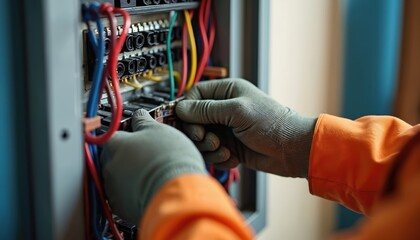
Why Hiring a Bonded Electrical Contractor Protects Your Investment

Electrical Contractor

When it comes to electrical work in your home or business, the decisions you make today can have lasting implications for years to come. Whether you’re planning a major renovation, building a new property, or simply need repairs, choosing the right Electrical Contractors Jacksonville NC is one of the most critical decisions you’ll face. Among the many qualifications to consider, one stands out as particularly important: bonding.

Understanding why hiring a bonded electrical contractor protects your investment requires looking beyond the surface level to examine the real risks involved in electrical work and the safeguards that bonding provides.

Understanding What It Means to Be Bonded

Before diving into the protective benefits, it’s essential to understand what bonding actually means in the context of electrical contractors. A bonded contractor has purchased a surety bond, which is essentially a three-party agreement between the contractor, a bonding company, and you as the client. This bond serves as a financial guarantee that the contractor will fulfill their obligations according to the terms of your contract. If the contractor fails to complete the work, violates building codes, or otherwise breaches the agreement, the bond provides a mechanism for financial recourse.

The bonding process itself requires contractors to undergo scrutiny from bonding companies. These companies evaluate the contractor’s financial stability, track record, and overall business practices before issuing a bond. This vetting process means that bonded contractors have already passed a level of professional assessment that unbonded contractors haven’t. The bond amount varies depending on local requirements and project scope, but it represents real money that can be claimed if things go wrong.

Financial Protection Against Project Abandonment

One of the most devastating scenarios in any construction or renovation project is contractor abandonment. Imagine paying a significant deposit for electrical work, only to have the contractor disappear halfway through the job. This nightmare scenario happens more often than most people realize, especially with unlicensed or unbonded contractors. When you hire a bonded electrical contractor, you gain crucial financial protection against this risk.

If a bonded contractor abandons your project without completing the agreed-upon work, you can file a claim against their bond. This claim can help you recover the money you’ve already paid and potentially cover the additional costs of hiring another contractor to finish the job. Without this protection, you might find yourself in a difficult legal battle trying to recover your losses, often spending more on legal fees than you could ever hope to recover. The bond essentially acts as an insurance policy that ensures you won’t be left financially stranded if your contractor fails to honor their commitments.

This protection becomes even more valuable when you consider the cascading costs that can result from abandoned electrical work. Exposed wiring, incomplete installations, and half-finished electrical systems can pose serious safety hazards. You may need to hire an emergency electrician at premium rates to make the situation safe, followed by yet another contractor to complete the original scope of work. All of these additional expenses can be mitigated or eliminated when you work with a bonded professional.

Assurance of Code Compliance and Quality Standards

Electrical work isn’t just about getting the lights to turn on or ensuring outlets work properly. It’s about safety, compliance with local and national electrical codes, and creating systems that will function reliably for decades. Bonded electrical contractors have a powerful incentive to ensure their work meets or exceeds all applicable codes and quality standards because their bond is at stake.

When electrical work fails to meet code requirements, the consequences can be severe. You might face failed inspections that delay occupancy permits, mandatory and expensive corrections, or even requirements to tear out and redo substantial portions of the work. In extreme cases, substandard electrical work can lead to fires, electrocution hazards, or property damage. Insurance companies may even deny claims if they discover that electrical work was performed by unlicensed or unbonded contractors or doesn’t meet code requirements.

A bonded contractor knows that cutting corners or performing substandard work could result in claims against their bond, damage to their professional reputation, and potential loss of their ability to obtain bonding in the future. This creates a powerful motivation to do the job right the first time. The bonding company’s oversight also means there’s an additional layer of accountability beyond just the contractor’s word.

Long Term Property Value Protection

The electrical system is one of the fundamental components of any property’s value. When you eventually sell your home or commercial building, potential buyers and their inspectors will scrutinize the electrical work. Properly documented electrical work performed by licensed and bonded contractors adds value and credibility to your property. Conversely, work done by unbonded contractors or evidence of unpermitted electrical modifications can become serious obstacles in real estate transactions.

Home inspectors are trained to identify signs of unprofessional electrical work, and they routinely recommend that buyers request documentation of who performed major electrical installations or upgrades. When you can provide permits, inspection certificates, and documentation showing that all work was completed by bonded, licensed professionals, it reassures buyers and often justifies higher asking prices. Some buyers may even walk away from properties with questionable electrical work or demand significant price reductions to account for the risk and potential cost of bringing everything up to code.

Beyond the immediate transaction value, properly executed electrical work by bonded professionals ensures that your electrical system will function efficiently and safely for many years. This means fewer repairs, lower maintenance costs, and better energy efficiency. All of these factors contribute to the long-term value proposition of your property investment.

Risk Management and Liability Coverage

Electrical work involves inherent risks, not just to the property but to people’s safety. When contractors work on your property, various liability issues can arise. Workers might be injured, property could be damaged during installation, or mistakes in the work could lead to problems that emerge later. Bonded electrical contractors typically carry comprehensive insurance in addition to their bonds, creating multiple layers of protection for property owners.

The combination of bonding and proper insurance coverage means that if something goes wrong during or after the electrical work, you have recourse beyond suing the contractor personally. This is particularly important because many contractors operate as limited liability companies or corporations, which can make it difficult to collect judgments even if you win a lawsuit. The bond provides an alternative avenue for recovering damages that doesn’t depend solely on the contractor’s personal assets or willingness to pay.

Furthermore, if an electrical fire or other catastrophic event occurs and investigators determine it was caused by faulty electrical work, having documentation that the work was performed by a bonded, licensed professional can be crucial for your own insurance claims. Insurance companies are far more likely to honor claims and less likely to deny coverage when they can verify that you exercised due diligence in hiring qualified professionals.

Peace of Mind and Professional Accountability

Beyond the tangible financial and legal protections, there’s an intangible but equally valuable benefit to hiring bonded electrical contractors: peace of mind. Knowing that you’ve taken every reasonable precaution to protect your investment allows you to focus on the exciting aspects of your project rather than worrying about potential disasters. This psychological benefit shouldn’t be underestimated, especially during what can already be a stressful time.

Bonded contractors also tend to maintain higher standards of professionalism throughout the entire customer experience. They’re more likely to provide detailed written estimates, maintain clear communication, stick to agreed-upon schedules, and address concerns promptly. This isn’t coincidental but rather a reflection of the business practices required to obtain and maintain bonding. Companies that can’t demonstrate professional operations and customer satisfaction typically can’t get bonded in the first place.

Final Thoughts

The decision to hire a bonded electrical contractor is ultimately an investment in protecting your larger investment. While bonded contractors may sometimes charge slightly more than their unbonded counterparts, this difference is minimal compared to the potential costs of dealing with abandoned projects, substandard work, code violations, or liability issues. The bonding requirement serves as both a quality filter and a safety net, ensuring that you’re working with professionals who have been vetted by bonding companies and who have powerful incentives to complete quality work.

Your property represents a significant financial commitment, and the electrical system is integral to its functionality, safety, and value. By insisting on bonded electrical contractors, you’re not just following a best practice but actively protecting yourself against a wide range of risks that could otherwise compromise your investment. In the world of electrical work, where the stakes involve both safety and substantial financial exposure, bonding provides an essential layer of security that every property owner should demand.